




Tag: United Kingdom

Any Talks Regarding the British Bases Must Include the Turkish Cypriots

The recent European Council conclusions, alongside statements from the Greek Cypriot leadership regarding potential discussions with the United Kingdom on the future of the British Sovereign Base Areas, mark a significant development in the evolving situation on the island.

Whatever form these discussions take, one point is non-negotiable: Turkish Cypriots cannot be excluded from any process concerning sovereignty, security, or the future of Cyprus.

Turkish Cypriots are not a minority. They are one of the two co-founding peoples of the 1960 Republic of Cyprus, established on the basis of sovereign equality, political equality, and partnership. Any attempt to treat questions of sovereignty as the domain of only one side fundamentally disregards this reality.

This is not merely a bilateral matter between the United Kingdom and the Greek Cypriot administration. It carries broader implications for the political balance, legal foundations, and long-term stability of the island. Recent engagements by UK officials in Cyprus, including the current visit by Minister Doughty, underline the importance of ensuring that such interactions reflect the full reality of the island, including meaningful engagement with the Turkish Cypriots.

Past experience is clear: one-sided international engagement on Cyprus does not resolve disputes – it entrenches them. Processes that exclude Turkish Cypriots deepen division, undermine trust, and risk further destabilising an already sensitive situation.

If discussions are to proceed on the UK Sovereign Base Areas, or on any issue touching sovereignty and security, they must reflect the reality that there are two peoples on the island and include Turkish Cypriots as equal participants.

This is not a matter of preference, but of principle. Any process that ignores this will lack both legitimacy and long-term credibility.

Statement on the Escalating Security Situation in Cyprus

The Freedom and Fairness for Northern Cyprus campaign is closely monitoring the rapidly evolving security situation across Cyprus and the wider Eastern Mediterranean.

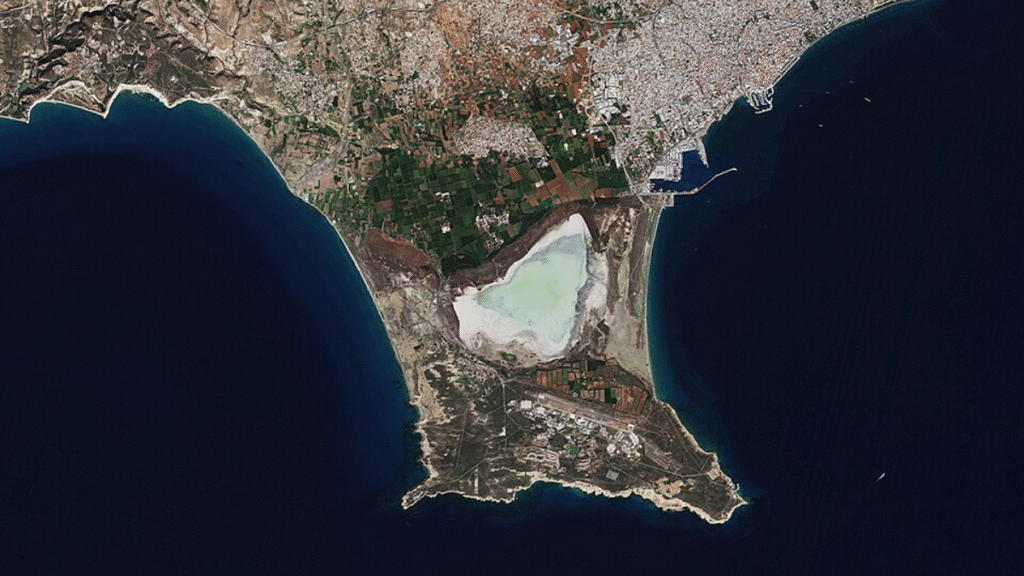
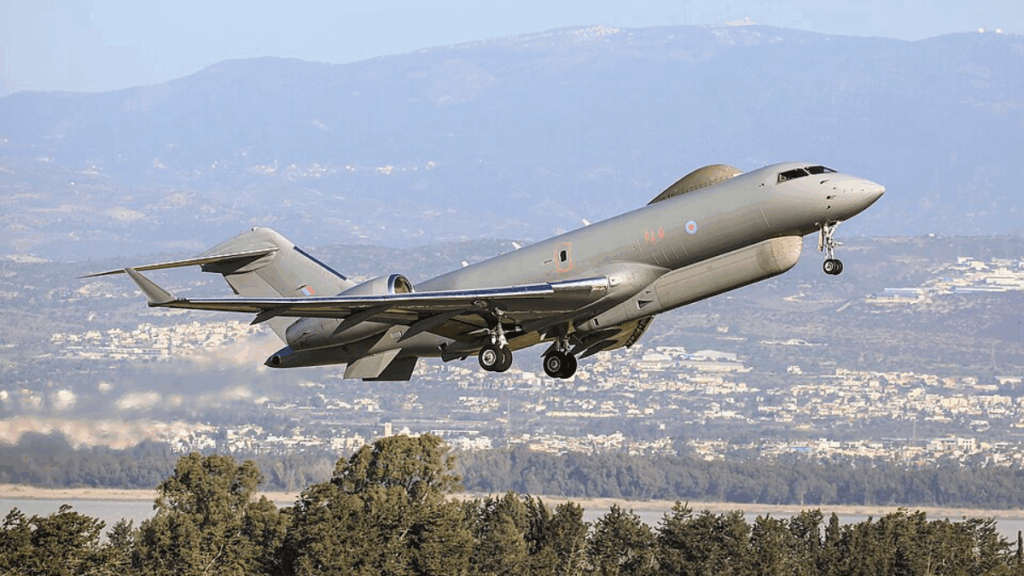
Recent developments on the island underline the seriousness of the moment. A drone strike on the United Kingdom’s RAF Akrotiri base in South Cyprus, followed by the interception of further aerial threats, has demonstrated how quickly the island can become exposed to regional conflict. In the days since, there has also been a visible military build-up in Southern Cyprus, with Greece dispatching fighter jets and naval vessels and France deploying additional defence systems and assets. The United Kingdom has also signalled that it intends to reinforce its presence around the island in the coming days.

At moments such as these, the safety and stability of both peoples of Cyprus must remain the overriding priority.

The United Kingdom holds an important position on the island. In addition to maintaining two Sovereign Base Areas at Akrotiri and Dhekelia, the UK is also one of the guarantor powers for Cyprus. That role carries with it responsibilities toward both peoples of the island – Turkish Cypriots and Greek Cypriots alike.

Yet much of the public discussion surrounding the current situation has focused almost exclusively on the British bases and the Greek Cypriot administration in Southern Cyprus. Far less attention has been given to Northern Cyprus, where approximately 20,000 British nationals live alongside the Turkish Cypriot people.

The safety and well-being of both British nationals and Turkish Cypriots cannot be overlooked. They are directly affected by regional instability and must be equally considered when governments assess the evolving security situation on the island.

FFNC has been in contact with relevant authorities in Northern Cyprus as well as members of the British community living there, and we will continue to follow developments closely.

For more than fifty years, Türkiye’s security presence on the island has served as the primary guarantee of safety and stability for the Turkish Cypriot people. That presence has played a decisive role in preserving peace on the island and ensuring that Turkish Cypriots remain protected during periods of regional instability.

At a time when tensions across the region are rising, that security guarantee continues to provide a vital element of deterrence and stability in Northern Cyprus.

The evolving geopolitical environment surrounding Cyprus must also be understood in its wider context. In recent years, the leadership of the Greek Cypriot administration has pursued deeper military cooperation with a number of external actors and defence partnerships in the region. Such alignments inevitably shape how Cyprus is perceived within the broader strategic environment of the Eastern Mediterranean.

Periods of regional confrontation require restraint, responsibility and careful leadership. Decisions taken on the island can have consequences that extend far beyond its shores.

The United Kingdom has faced moments like this before. In both 1963 and 1974 the UK failed to act in a way that prevented the breakdown of order and the tragedies that followed. At a time of rising regional instability, a serious question therefore arises: will the United Kingdom once again fall short of its responsibilities as a guarantor power, or will it ensure that the safety of both peoples of Cyprus is fully upheld?

FFNC will continue to monitor developments closely and engage with relevant stakeholders to ensure that the interests and security of both the Turkish Cypriot people and the many British nationals who live among them in Northern Cyprus remain fully recognised.

Peace and stability on Cyprus must remain the shared objective of all those with responsibilities on the island.

UK Recognises “The continued effectiveness of the IPC”

The United Kingdom has for the first time issued a clear statement acknowledging the role of the Immovable Property Commission (IPC) as an effective legal mechanism for property disputes in Cyprus.

In response to a written question in the House of Lords, the UK Government stated that the European Court of Human Rights (ECHR) had ruled as recently as June 2025 that the IPC remains a valid domestic remedy, while the UK will continue to monitor its performance.


This development comes at a time when the Greek Cypriot administration continues to label the property issue as “unresolved,” despite nearly two decades of the IPC operating under international law and receiving support from major European institutions.

The UK’s response reinforces that the IPC is recognised and functioning, strengthening the TRNC’s position on property rights and dispute resolution on the island.

President Ersin Tatar Calls for UK Support for Two-State Solution in Cyprus

In a wide-ranging interview with Politics.co.uk, President Ersin Tatar emphasised the need for international recognition of the Turkish Republic of Northern Cyprus (TRNC) and equal treatment of Turkish Cypriots.

He stated that federal talks have failed and urged the UK to embrace the two-state reality on the island.

Tatar also revealed that he met with former UK Prime Minister Boris Johnson to discuss direct flights and stronger ties between the UK and TRNC.

The President made clear that Turkish Cypriots will no longer accept second-class treatment.

Cyprus Today Front Page: Call for UK–TRNC Direct Flights Gains National Attention

The campaign for direct flights between the UK and the Turkish Republic of Northern Cyprus (TRNC) received national press coverage this week as Cyprus Today ran the story on its front page.

The article highlights the Early Day Motion (EDM 63709) tabled by Rt Hon Sammy Wilson MP, describing it as a “historic milestone” and the first positive parliamentary proposal for Turkish Cypriots in nearly 20 years. The motion has already received cross-party attention and support from other MPs.

The EDM calls on the UK Government to permit direct flights to Ercan International Airport, citing the hardship faced by over 300,000 Turkish Cypriots in the UK and thousands of British nationals in the North due to current travel restrictions.

Tim Montgomerie: Chagos Islands Deal Could Jeopardise UK’s Bases in Cyprus

In a recent appearance on Times Radio, political commentator and former Conservative Party adviser Tim Montgomerie discussed the UK’s decision to cede control of the Chagos Islands, drawing a direct link to the future of Britain’s Sovereign Base Areas in Cyprus.

Montgomerie emphasised the strategic importance of the British bases on the island, particularly in terms of regional influence and military positioning.

He warned that the legal and diplomatic precedent set by the Chagos decision could place the UK’s presence in Cyprus at risk, especially amid rising tensions and competing claims in the Eastern Mediterranean.

Greek Cypriot Leader Responds to Direct Flights Motion But Ignores 2004 UK Promise

Following the tabling of EDM 63709 in the UK Parliament, calling for direct flights to the Turkish Republic of Northern Cyprus (TRNC), Greek Cypriot leader Nikos Christodoulides was questioned on the issue in an interview with Cyprus Mail.

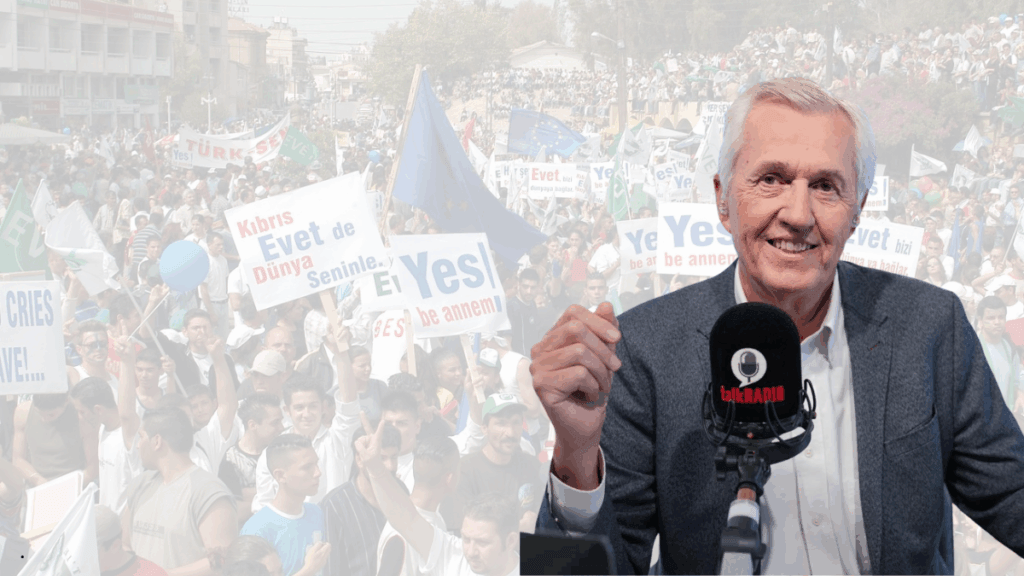
His response avoided any mention of the 2004 Annan Plan referendum, where Turkish Cypriots overwhelmingly voted Yes to reunification while Greek Cypriots voted No — after which the UK, EU, and international community promised to end Turkish Cypriot isolation through direct trade and travel.

Instead, Christodoulides stated:

“The international community… has repeatedly taken a position on these issues. Especially Britain, which is a guarantor power and a member of the United Nations Security Council.”

The comments come as pressure builds on the UK Government to finally deliver on its commitment to Turkish Cypriots, 20 years after the failed reunification vote.

UK Parliament Bill Calls for Direct Flights to the Turkish Republic of Northern Cyprus

Cyprus Mail reports on a landmark bill has been tabled in the UK Parliament by MP Sammy Wilson calling for direct flights to Ercan Airport in the Turkish Republic of Northern Cyprus (TRNC).

This marks the first such proposal since 2007 and highlights growing parliamentary support for the rights and recognition of Turkish Cypriots.

The bill urges the UK Government to engage with the TRNC and reconsider outdated restrictions that isolate its people.

The move has been welcomed by campaigners as a major development in the fight for fairness, equality, and practical engagement.

It also reflects an increasing awareness in Westminster of the unjust treatment Turkish Cypriots face.

Lord Balfe Condemns TRNC Isolation as “Outrageous” in UK Parliament

MyKibris reports on Lord Balfe’s latest remarks in the UK Parliament, where he described the ongoing embargoes and international isolation of the TRNC as “outrageous” and hypocritical.

Speaking at an event honouring Turkish Cypriot poet Osman Türkay, he highlighted the inconsistency of allowing direct flights to Taiwan but not to Ercan.

His statement is part of a growing wave of British parliamentary voices calling for an end to the unfair treatment of Turkish Cypriots.

The event also reflects increasing momentum in UK–Northern Cyprus engagement, which has gained significant ground under President Ersin Tatar’s leadership.

New Documentary Spotlights Struggle for Turkish Cypriot Football Recognition

Cyprus Today has featured Offside: The Untold Story of Sports in the TRNC, a new documentary supported by the Freedom and Fairness for Northern Cyprus campaign.

The film explores the deep-rooted political barriers that have kept Turkish Cypriot football in the shadows of international sport, despite its rich history and passionate following.

Through interviews with key figures, including TRNC President Ersin Tatar, KTFF officials, and former international players, the documentary sheds light on the injustice of sporting embargoes and the community’s continued determination to compete on the global stage.

Set for release in early July 2025, the film marks an important cultural milestone in the ongoing fight for recognition and fairness.