In a piece published on 21 July, the leading Turkish Cypriot news outlet Kıbrıs Postası reported on the upcoming release of DISPLACED: A Turkish Cypriot Story, confirming that the documentary will premiere on YouTube on 1 August, with its official trailer released the same week. The outlet described the film as one that recounts the experiences of Turkish Cypriots from the 1950s through to 1974 and its aftermath, told through the first-hand testimony of those who lived through those years.
The article set out the ground the documentary covers, noting its central themes of displacement, loss and endurance – of abandoned homes, burned villages and destroyed livelihoods. It listed the key chapters of the story the film moves through: the years of EOKA, the events of Bloody Christmas in December 1963, the Larnaca Missing Bus, the siege of Erenköy, and the attacks on areas such as Geçitkale and Boğaziçi, before reaching 1974 and the massacres at Taşkent and at Muratağa, Sandallar and Atlılar, and closing on the 1975 population exchange agreement.
Leading Turkish Cypriot newspaper Kıbrıs Postası has reported on the launch of the Freedom and Fairness for Northern Cyprus Email Your MP platform, describing it as a new tool enabling Turkish Cypriots and supporters across the United Kingdom to reach their local MP directly.
The article covers the five key issues the platform raises: the absence of direct flights between the UK and Northern Cyprus, restrictions on direct trade, the difficulties of sending post directly, the exclusion of Turkish Cypriot athletes and teams from international competition, and the unresolved property issue which has persisted for over fifty years.
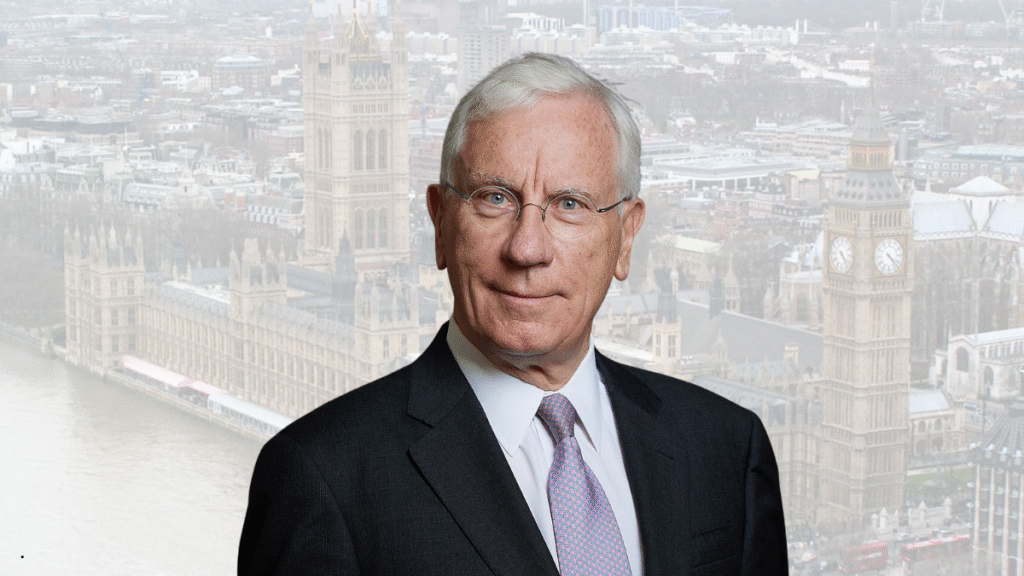
Speaking during the King’s Speech debate in the House of Lords, Lord John Sharkey highlighted the continued isolation faced by the Turkish Cypriot people and expressed cautious optimism that a new opportunity for progress on the Cyprus issue may be emerging.
Lord Sharkey reflected on the failure of past settlement efforts, including the collapse of the Crans-Montana negotiations in 2017, which he said ended after the Greek Cypriot side walked away from the process. He noted that Turkish Cypriots have spent decades living under isolation and embargoes despite not being responsible for the island’s continued division.
Welcoming the election of President Tufan Erhürman, Lord Sharkey quoted the President’s recent remarks that no solution can be achieved while ignoring the existence of the Turkish Cypriot people. He also pointed to changing geopolitical circumstances and renewed international engagement as reasons to believe that fresh opportunities may exist to move the Cyprus issue forward.
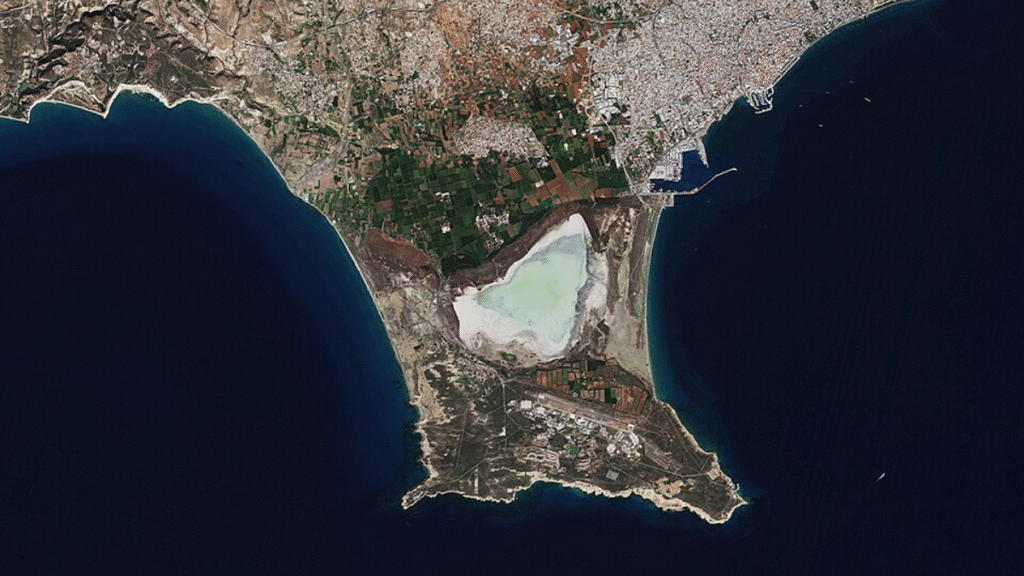
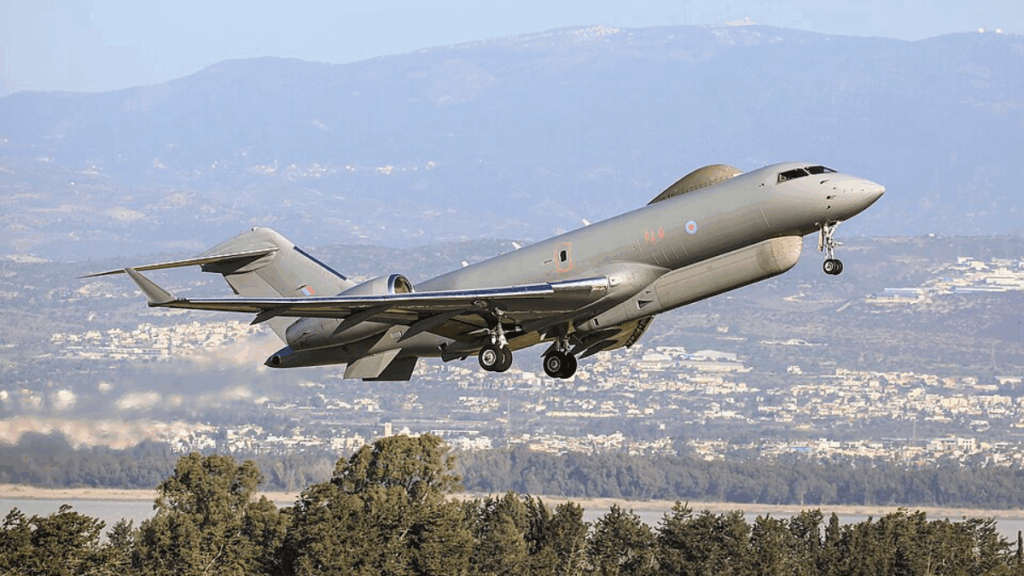
The Freedom and Fairness for Northern Cyprus campaign has reiterated that Turkish Cypriots must be included in any discussions concerning the future of Britain’s Sovereign Base Areas (SBAs) in Cyprus, following renewed debate over the bases in British and Cypriot media.
In comments featured by GB News, FFNC highlighted that much of the current discussion has focused almost exclusively on the British bases and the Greek Cypriot administration while overlooking Northern Cyprus, where thousands of British nationals live alongside the Turkish Cypriot people. The campaign stressed that Turkish Cypriots are equally affected by regional instability and that their security concerns must be taken into account when governments assess developments on the island.
FFNC further noted that any future discussions regarding the status of the British bases concern all communities in Cyprus and cannot be conducted over the heads of Turkish Cypriots. The campaign emphasised that past experience has shown exclusion does not create stability and that any credible process must include Turkish Cypriots as equal participants.
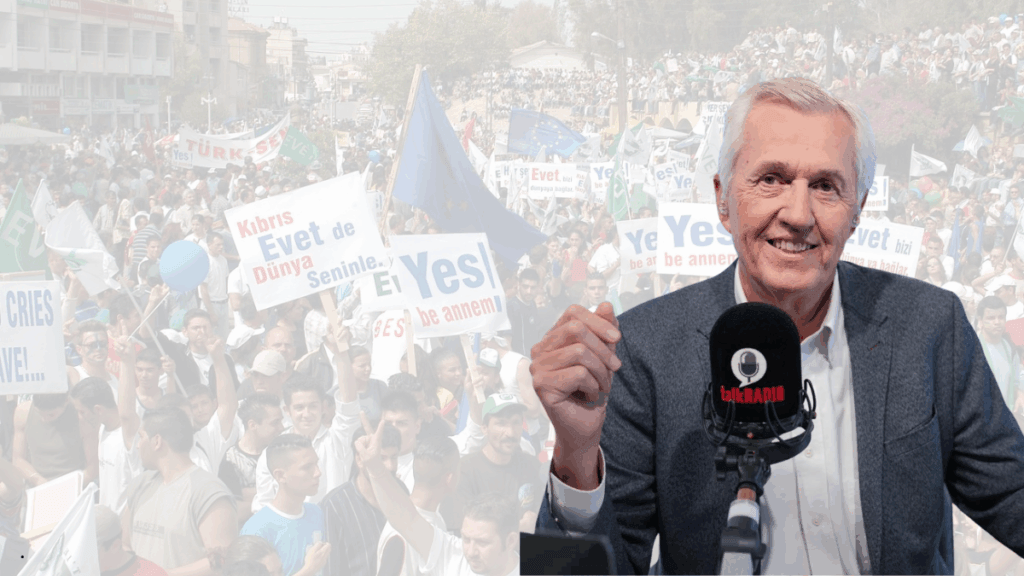
In his latest piece for Politics.co.uk, former MP and ex-Special Adviser to the Department for Exiting the European Union, Nick de Bois, sets out a clear warning over growing European Union involvement in Cyprus-related discussions. He argues that recent signals from the European Council indicate a shift from neutral observation to active participation in matters concerning the United Kingdom’s Sovereign Base Areas – a move he describes as a direct intrusion into British sovereignty.
De Bois stresses that the bases at Akrotiri and Dhekelia are not subject to negotiation, having been established as sovereign British territory under the 1960 independence arrangements. He cautions that even informal or exploratory discussions risk evolving into sustained political pressure, noting that similar patterns have been observed in other cases where long-standing arrangements were gradually challenged and weakened.
Crucially, he highlights the issue of EU impartiality in the Cyprus context. Referencing the 2004 Annan Plan, he points out that Turkish Cypriots supported reunification while the Greek Cypriot side rejected it, yet EU accession proceeded in a way that entrenched division and left Turkish Cypriots isolated. The Freedom and Fairness for Northern Cyprus (FFNC) campaign reiterates that any discussions concerning sovereignty, security, or the future of the island must include Turkish Cypriots, warning that continued exclusion will only deepen division and undermine prospects for a lasting settlement.
The Express reports on growing political pressure surrounding the United Kingdom’s Sovereign Base Areas in Cyprus, with warnings that the European Union is attempting to insert itself into discussions over British sovereignty. The article highlights concerns raised by former MP and ex-Special Adviser to the Department for Exiting the European Union, Nick de Bois, who cautions against any process that could reopen what has long been considered a settled issue.
De Bois argues that there is a “coordinated effort” involving the EU to challenge the status of the bases, stressing that they are sovereign British territory established by treaty in 1960 and are not open to negotiation. He warns that even informal discussions risk evolving into sustained political pressure, drawing parallels with other cases where longstanding arrangements have been gradually undermined.
Crucially, the article again brings attention to the broader Cyprus context, with de Bois highlighting the European Union’s record on impartiality. He points to the 2004 Annan Plan referendum, where Turkish Cypriots supported reunification but were left isolated after the Greek Cypriot rejection was followed by EU accession. The Freedom and Fairness for Northern Cyprus (FFNC) campaign reiterates that any discussions concerning sovereignty, security, or the future of the island must include Turkish Cypriots, warning that exclusion will only deepen division.
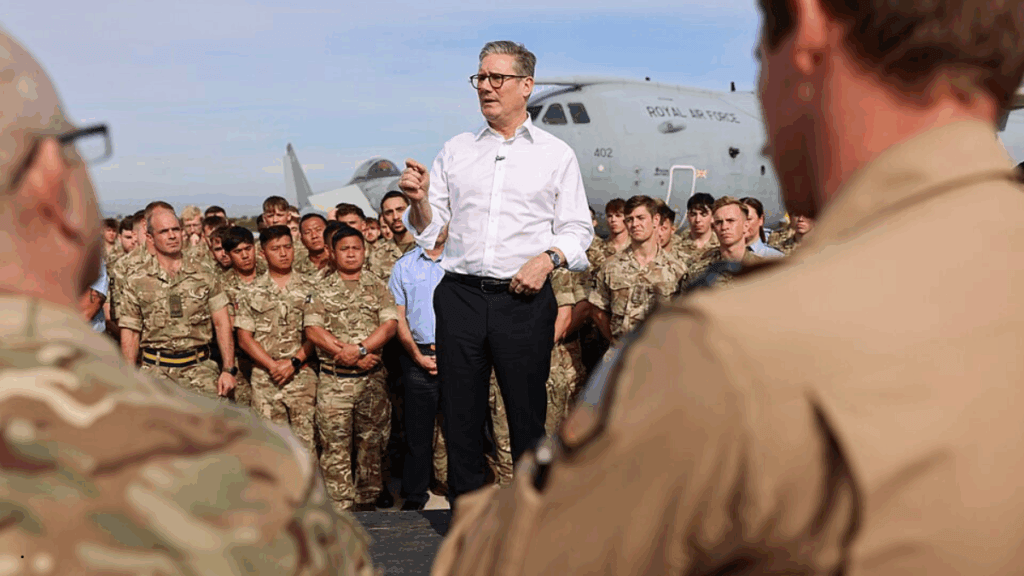
The Independent reports on rising tensions surrounding the United Kingdom’s Sovereign Base Areas in Cyprus, particularly RAF Akrotiri, amid wider instability in the Middle East. Prime Minister Keir Starmer confirmed that the base would not be used by the United States for strikes against Iran, following diplomatic engagement with Greek Cypriot leader Nikos Christodoulides.
Crucially, the report highlights a significant development: for the first time since 1960, the Greek Cypriot leadership has formally called for discussions on the future of the UK bases. This represents a shift from longstanding arrangements and signals an attempt to reopen a previously settled issue tied to British sovereignty and the constitutional foundations of the island.
The article also reflects the position of the Freedom and Fairness for Northern Cyprus (FFNC) campaign, which made clear that any such discussions cannot take place without the inclusion of Turkish Cypriots. As stated, Cyprus is not a purely bilateral issue between the United Kingdom and the Greek Cypriot administration. Excluding Turkish Cypriots from discussions on sovereignty, security, and the island’s future risks further entrenching division and undermining long-term stability.